

Critical Incidents Are Defined by Impact, Not Scale
Critical Incidents Happen Every Day. Who Supports Your Staff Before “I’m Not Coping”? Don’t Leave It Too Late — We’ll Train Your Debriefers in 3 Days and Give You a Proven Framework.
Critical incidents happen every day. Who supports your staff before “I’m not coping”? Don’t leave it too late — we’ll train your debriefers in 3 days and give you a proven framework.


Supporting staff following stressful and traumatic incidents is not optional. It is both a legal requirement and a moral responsibility.
Standards such as ISO 45003 (Psychological Health and Safety at Work) make it clear: organisations must actively manage psychosocial risk — not simply react when things go wrong.
Yet many organisations still rely on:
- A small number of Mental Health First Aiders
- An Employee Assistance Programme (EAP)
These are valuable — but they do not provide structured, timely support immediately after a critical incident.
You Are Missing the Crucial Window
Critical incidents should be psychologically debriefed at around the 72-hour point.
- Not weeks later.
- Not informally.
- Not mixed with operational reflecrtive practice reviews.
At the right time. In the right way. With the right structure.
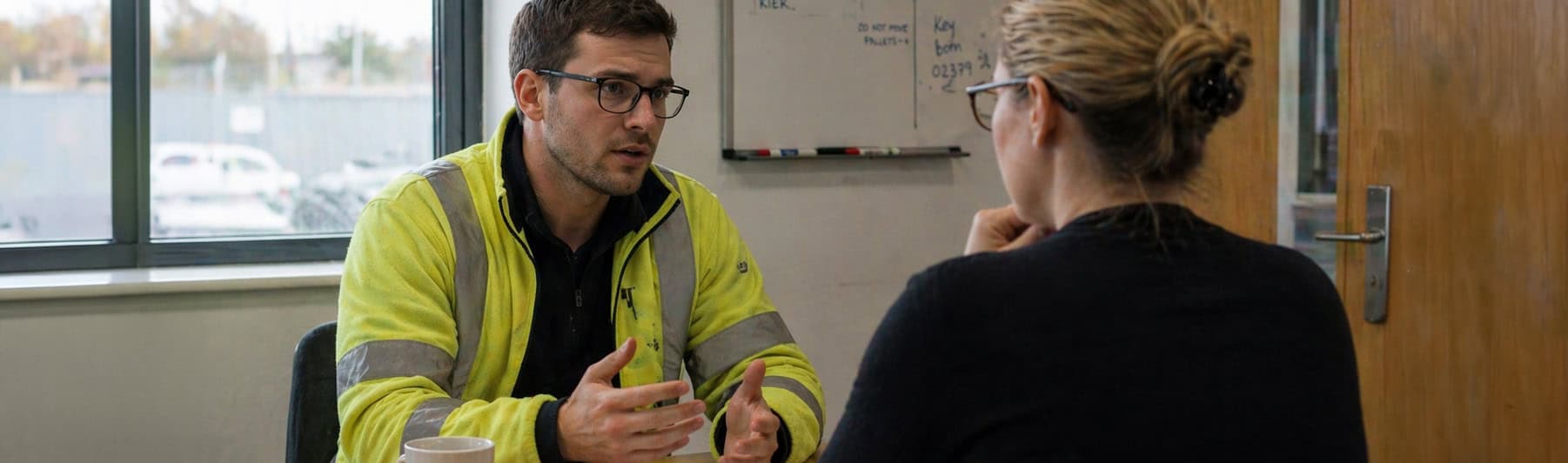
A Critical Incident Is Defined by Impact — Not Scale
It could be:
- A teacher being assaulted in a classroom
- Knife crime affecting a school or college community
- A safeguarding disclosure
- A sudden death in a care setting or hospice
- A traumatic callout for ambulance or fire services
- Exposure to distressing scenes in healthcare
- Violence towards support workers, nurses, or frontline staff
- Repeated trauma in high-pressure environments
We have trained organisations such as Colleges, Schools, NHS Trusts, Great Western Air Ambulance Charity, as well as international clients including government services in Dubai and government employment services in Malta.
Across all sectors, the pattern is the same: The incident is managed — but the people are left to cope.

What Happens if You Don’t Act?
What happens if you don’t act?
Without structured support, this leads to:
- Reduced wellbeing
- Increased sickness absence
- Impaired performance
- Breakdown in team cohesion
- Long-term psychological harm
What Is Post-Critical Incident Stress Debrief (PCISD)?
Post-Critical Incident Stress Debriefing (PCISD) is a structured, confidential, team-focused intervention delivered shortly after an incident.
It:
- Provides a safe, confidential space
- Supports the team as a whole
- Helps individuals process what has happened
- Identifies those who may need further support and signposting
- Reduces the risk of long-term psychological harmIt forms part of the Critical Incident Stress Management (CISM) model.
🚫 Not a hot debrief
🚫 Not reflective practice
🚫 Never combined with operational reviews
How a PCISD Debrief Works
- A typical PCISD debrief is delivered by a trained team of facilitators.
- A Lead Debriefer guides the structured process
- A Second Debriefer observes, listens, and identifies anyone who may be struggling
- This ensures the session is well facilitated and that no one is missed.
PCISD provides a safe, confidential space for staff to talk openly:
- 100% confidential
- No HR involvement
- No recording
- No performance management
This is not about investigation.
This is not about accountability.
👉 This is about support.
👉 This is how you capture staff before they reach the “I’m not coping” stage.

The Solution
Train your own debriefing team
We can train one or more of your staff in just 3 days to become your internal debriefing team.
For as little as £370 + VAT per person, you can train a cohort of up to 12 staff.
- No prerequisites
- No additional training required
This gives your organisation:
- A proven, structured framework
- Immediate, in-house capability
- A sustainable approach to staff wellbeing
It’s a small investment compared to the cost of absence, burnout, and staff turnover — and a critical step in fulfilling your duty as an employer.
Who is this for?
Any organisation where staff may experience stress following incidents:
- Schools, colleges, and universities
- NHS hospitals (acute and mental health)
- Ambulance, fire, and emergency services
- Airports and control environments
- Social care and residential care
- Children’s services and safeguarding teams
- Hospices and end-of-life care
- Housing, probation, and community services
If incidents happen in your organisation — you need this system.
The Training
Post-Critical Incident Stress Debriefing (PCISD) – Psychological First Aid – Maximum cohort: 12 delegates
Delivered over 3 days, covering:
- Pre-crisis preparation
- Intra-crisis psychological first aid
- Post-crisis structured debriefing and referral pathways
Delivery options
- Live interactive webinar
- Onsite, face-to-face

Upcoming Open Course
📍 Live via Zoom
🗓 21st, 22nd & 23rd September 2026
Perfect for individual delegates or smaller teams, with limited places available.