

Spotting Sepsis – Why It’s Critical for Support Workers and Nurses to Know the Signs
 This blog aims to outline essential information on sepsis, including how to spot it, why it’s important for healthcare staff to be trained, and the life-saving impact of early intervention.
What is Sepsis?
Sepsis occurs when the body’s response to an infection injures its own tissues and organs. If untreated, it can lead to septic shock, organ failure, and death. Sepsis can begin from various infections, including those of the lungs, urinary tract, abdomen, and skin, and it’s often challenging to detect in its early stages.
Why It’s Important to Spot the Signs of Sepsis
The signs of sepsis can initially resemble common illnesses, but as sepsis progresses, it becomes more severe. Early intervention, however, can significantly improve outcomes. By equipping support workers and nurses with the skills to recognize early signs, they are empowered to act swiftly, providing vital information to emergency services and healthcare professionals that can be crucial in saving lives.
 How to Spot the Signs of Sepsis
Anyone in healthcare can make a huge difference simply by being alert to early sepsis symptoms. Watch for these signs and seek medical advice if you or anyone you support exhibits any of the following:
- S – Slurred speech or confusion
- E – Extreme shivering or muscle pain
- P – Passing no urine in a day
- S – Severe breathlessness
- I – It feels like they might die
- S – Skin mottled, discoloured, or very pale
For healthcare professionals, noting these symptoms is only part of the response. The UK’s National Early Warning Score (NEWS2) system helps healthcare staff record and communicate vital signs—such as respiratory rate, blood pressure, and oxygen levels—that can indicate the severity of sepsis. Accurately relaying these observations when calling emergency services or consulting with GPs can provide critical information for prompt action.

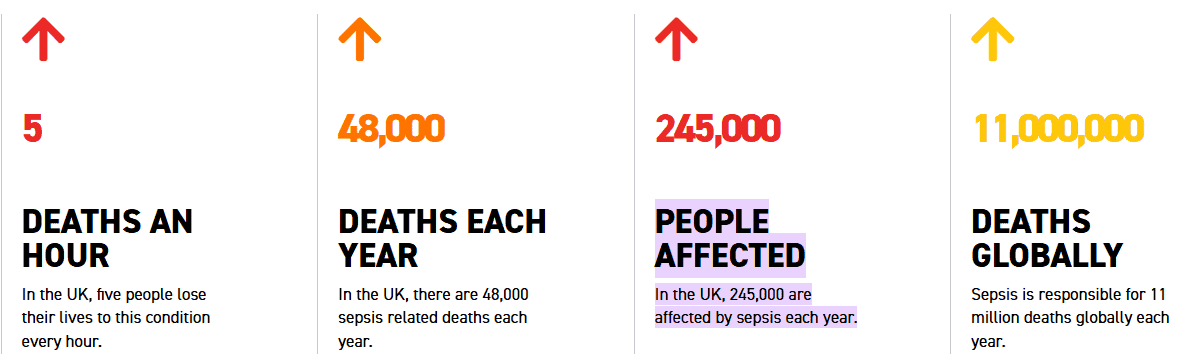
- Sepsis affects over 245,000 people each year in the UK, with approximately 48,000 fatalities. Spotting it early can reduce mortality significantly. (Sepsis Trust)
- Sepsis isn’t a disease but a syndrome that complicates an infection—meaning any infection has the potential to lead to sepsis.
- Recovery from sepsis can be long-term, with patients facing ongoing fatigue, organ dysfunction, or psychological effects even after the infection is gone.
The Role of Training in Recognising and Responding to Sepsis
Providing support workers and nurses with sepsis-awareness training benefits both the staff and the individuals in their care. Training ensures that healthcare workers are not only informed but also confident in responding to possible cases of sepsis, recognising the signs, and taking decisive actions. At Tidal Training, we offer a one-day course that covers sepsis recognition and basic response using the NEWS2 system, all essential skills for a timely response.
Benefits of Sepsis Training:
- Enhanced Patient Safety: Knowing what to look for and when to act helps prevent the progression of sepsis, safeguarding individuals from severe complications.
- Empowered Staff: Staff who understand sepsis can communicate effectively with emergency personnel, providing essential details on symptoms and baseline observations.
- Reduced Emergency Admissions: By recognising and treating symptoms early, staff can often prevent the need for emergency hospitalisation, reducing stress and trauma for the patient.
Ideal Settings for Sepsis Training
Sepsis-awareness training is particularly valuable in environments where individuals are at higher risk of infection due to age, underlying health conditions, or close proximity to others. Nursing homes, residential homes, and domiciliary care are prime examples of settings where this training is essential. With early and effective response, healthcare staff can be proactive, improving quality of care and patient outcomes.
- Around 40% of sepsis cases occur in people over 65, who are often at greater risk due to weaker immune systems.
- With proper intervention, outcomes can drastically improve—prompt treatment within an hour of spotting symptoms can double a patient’s chance of survival.
In any healthcare or clinical setting, having a team trained to spot and respond to sepsis is invaluable. Early detection, swift action, and ongoing monitoring are fundamental, and training staff in sepsis awareness is one of the best ways to ensure patient safety and quality care. Tidal Training provides comprehensive sepsis and NEWS2 training in a single day, designed to prepare your team for the challenges they may face and to help protect those in their care.For more information on sepsis training tailored to your facility, contact Tidal Training today. Together, we can make every second count in the fight against sepsis.
 Understanding Basic Clinical Observations and the NEWS2 System in Sepsis Detection
In clinical settings, recognising early warning signs of sepsis requires more than a basic awareness of symptoms. Support workers and nurses also need to be proficient in gathering and interpreting basic clinical observations, which, combined with the NEWS2 scoring system, can make a significant difference in outcomes. Below, we’ll explore these essential components and how they play a vital role in sepsis management.
Basic Clinical Observations for Sepsis Detection
When identifying potential cases of sepsis, certain clinical observations are vital for evaluating a patient’s condition. These are the baseline measurements that reveal subtle changes, allowing healthcare staff to detect early signs of sepsis:
- Respiratory Rate: Increased breathing rate is a primary indicator of distress or infection.
- Heart Rate: Elevated heart rate can indicate the body’s response to infection.
- Oxygen Saturation Levels: Low oxygen levels can signal poor organ function.
- Blood Pressure: A sudden drop in blood pressure is a serious sign that requires immediate attention, as it may indicate septic shock.
- Temperature: Both high and low body temperatures can indicate an infection, especially in the elderly or immunocompromised.
- Level of Consciousness: Changes in alertness or confusion can reflect worsening sepsis.
Gathering these clinical observations provides a comprehensive picture of a patient’s condition, which is crucial when contacting emergency services or reporting to medical professionals.
 How NEWS2 Works in Sepsis Screening
The National Early Warning Score (NEWS2) is an evidence-based tool used in the UK to help healthcare professionals assess and quantify a patient’s clinical condition, particularly in spotting sepsis. By assigning a score to each of the basic clinical observations, NEWS2 offers a quick, standardized way of identifying patients who may be at risk of severe illness. Here’s how NEWS2 is calculated:
- Scoring: Each vital sign (e.g., respiratory rate, heart rate, oxygen saturation, blood pressure, temperature, and consciousness level) is assigned a score from 0 to 3, based on how far it deviates from the normal range.
- Aggregation: The scores for each observation are then added together, giving an overall score that reflects the severity of the patient’s condition.
- Response Protocols: Based on the total score, healthcare staff can follow specific guidelines for the level of response required. Higher scores typically indicate that urgent action is needed.
For example:
- Scores of 1-4 may indicate a low-level concern but warrant close monitoring.
- Scores of 5-6 suggest that a patient is at medium risk, requiring immediate medical review.
- Scores of 7 or higher are critical and require emergency response, as they likely indicate life-threatening sepsis or other acute illness.
Using NEWS2 in conjunction with clinical observations ensures that support staff and nurses have a structured approach to assessing patients. This empowers them to take prompt and informed actions, providing the relevant details to emergency responders or healthcare providers, which is crucial for quick intervention.
- NEWS2 is now the national standard in the UK for recognising and responding to sepsis in hospitals and care settings.
- The NHS found that implementing NEWS2 could reduce avoidable deaths by 20% when used effectively, showcasing its role in improving patient outcomes.
- NEWS2 includes additional parameters for patients with respiratory conditions, enhancing its accuracy and scope.
Benefits of Training Staff in Basic Observations and NEWS2
For support workers and nurses, knowing how to perform and interpret these basic clinical observations—and understanding NEWS2 scoring—adds an invaluable layer of confidence and competence. This knowledge enables them to take quick, decisive actions in situations where every moment counts.
Key Benefits of Training in Observations and NEWS2:
- Enhanced Situational Awareness: Staff trained in basic observations and NEWS2 are well-equipped to identify patients at risk, reducing delays in necessary treatment.
- Effective Communication: By accurately conveying NEWS2 scores and specific symptoms, staff can provide precise information to GPs, emergency services, and healthcare teams, allowing for more targeted and timely interventions.
- Better Patient Outcomes: Equipped with these skills, healthcare staff contribute to early detection, reducing the chance of severe complications and improving recovery rates for those with sepsis.
For facilities such as nursing homes, residential homes, and domiciliary care, this training is invaluable. At Tidal Training, we offer a one-day course covering sepsis detection, basic clinical observations, and NEWS2 scoring, providing healthcare teams with practical skills and confidence that can directly improve patient care and safety.
Links to all related courses: