

Understanding Critical Incidents in Healthcare: What They Are and Why They Matter

What Are Critical Incidents in Healthcare?
Critical incidents in healthcare refer to any event that:
- Jeopardises Patient Safety: Examples include medical errors, delayed treatments, or compromised care quality.
- Overwhelms Healthcare Systems: Such as during pandemics, flu surges, or natural disasters.
- Impacts Healthcare Workers: Including physical or mental strain, unsafe working conditions, or violence in the workplace.
- Disrupts Normal Operations: Examples include equipment failure, cyberattacks, or staffing shortages.
These incidents expose vulnerabilities within healthcare systems, emphasising the need for resilience, preparation, and adaptive responses.
In the News
Across the UK, several NHS trusts have declared critical incidents due to mounting pressures. For example:
- Hospitals in Merseyside and Plymouth are grappling with a surge in flu cases and respiratory illnesses, leading to prolonged wait times and overburdened staff. Read more.

- NHS Gloucestershire has introduced a face mask rule following the declaration of a critical incident. Read more here.
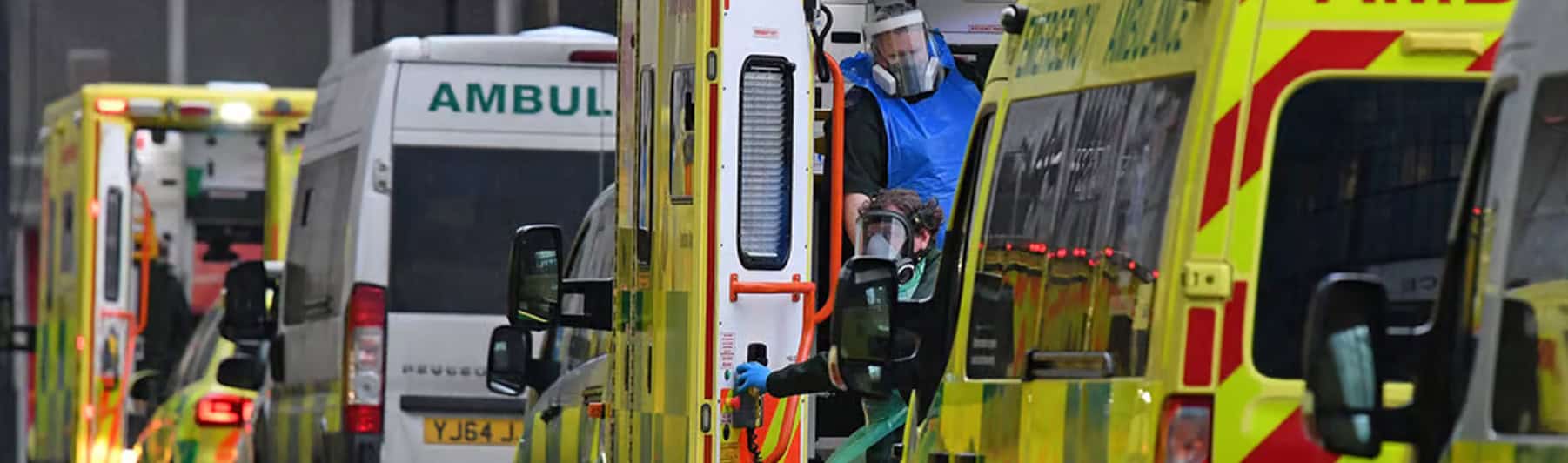
- Comprehensive list of NHS hospitals declaring critical incidents shows the scale of the issue.
Globally
Critical incidents in healthcare are not uncommon. For example, a polar vortex in the U.S. has overwhelmed hospitals with cold-related illnesses, while northern China is managing a surge in Human Metapneumovirus (hMPV) infections. These examples highlight the universal need for robust emergency preparedness and response systems.

Who is Affected by Critical Incidents in Healthcare, and What is the Impact?
Critical incidents in healthcare can have far-reaching consequences, affecting patients, healthcare workers, facilities, and entire communities. Patients often bear the brunt, facing delayed treatments, compromised care, and heightened anxiety. For healthcare workers, these events can lead to physical and emotional exhaustion, burnout, and increased workplace risks, such as exposure to infectious diseases or unsafe conditions.
Healthcare facilities and systems also face significant challenges, including strained resources, operational disruptions, and long-term reputational or financial impacts. Families and communities may lose trust in healthcare systems and suffer emotional distress from reduced access to essential services. Policymakers and governments must navigate resource allocation under pressure while addressing systemic vulnerabilities exposed by these crises.
The ripple effects of critical incidents highlight the importance of robust preparedness and adaptive responses. By learning from these events, healthcare systems can strengthen their resilience, improve patient outcomes, and rebuild public trust for the future.
Building Resilience Through Post-Critical Incident Training
Critical incidents in healthcare test the resilience of systems and teams, underscoring the importance of preparedness, adaptability, and compassion in delivering effective care during challenging circumstances. A well-prepared team can not only manage immediate crises more effectively but also mitigate long-term psychological and operational impacts.
Supporting Teams with Training and Development
Tidal Training Ltd specialises in equipping healthcare teams with the tools they need to navigate the aftermath of critical incidents. Their targeted training programmes address the emotional and psychological toll of such events, fostering resilience, stress management, and mental health awareness.

Key offerings include:
Post-Critical Incident Stress Debriefing (PCISD) Training
- Designed to help teams process the emotional impact of critical incidents, reduce long-term mental health risks, and promote team cohesion.
Stress Management and Resilience Training
- Focused on identifying stressors, building adaptive coping strategies, and enhancing problem-solving under pressure.
Mental Health Awareness Training
- Aims to reduce stigma, identify early warning signs, and foster a culture of empathy within teams.
Investing in these programs helps organisations build a supportive and robust workplace, ensuring healthcare teams are prepared to face critical incidents with confidence and care.
Why Choose Tidal Training?
We are committed to being your trusted partner in fostering a positive and supportive work environment. Our trainers bring industry expertise and practical knowledge to every course, ensuring your team feels confident and equipped to manage challenges.
**Wherever and whenever you need us, we are here to support you. Call 01242 371 999 today to discuss your training needs or book a course.
Further Reading
For more insightful information on critical incidents and how to support your teams, read our related blogs:
- Making Critical Incident Debrief Training Part of Your Employee Mental Health Framework: Explore how integrating debrief training into your mental health framework can foster resilience and support your staff effectively.
- Managing the Fallout from a Critical Incident: Learn practical strategies for addressing the aftermath of critical incidents and ensuring team recovery.
Stay informed and prepared by accessing these valuable resources.