

Post Critical Incident Stress Debrief (PCISD): Are You Prepared for the Psychological Impact of Crisis?
The Overlooked Impact of Critical Incidents
Critical incidents can happen anywhere, at any time.
Geopolitical tensions continue to dominate headlines, reminding us how quickly situations can escalate and how uncertainty can affect communities and workforces globally. However, critical incidents are not confined to conflict zones.
They happen here at home – in hospitals, care homes, mental health units, airports, train stations, custodial settings, corporate workplaces and public spaces.
- A sudden death in A&E.
- A violent assault on a ward.
- A fatality on the railway network.
- A major incident at an airport.
- A safeguarding tragedy in a care setting.
When these events occur, operational responses are immediate and well-rehearsed.
But what about the psychological impact on your workforce?

What Is a Critical Incident?
A critical incident is any event that overwhelms an individual’s usual coping mechanisms.
It may involve:
- Sudden or traumatic death
- Serious injury or life-threatening events
- Violence or aggression
- Exposure to distressing or graphic scenes
- Incidents involving vulnerable individuals
- Repeated exposure to trauma in frontline roles
It is not simply about the scale of the event – it is about the effect on the people involved.
Healthcare professionals, emergency responders, transport staff and frontline teams often continue working whilst processing shock, distress or cumulative stress. Without structured support, this can affect wellbeing, performance, absence levels and team cohesion.
Employer Responsibility: Post Critical Incident Stress Management Is a Duty of Care
As employers, we have both a legal and moral duty to protect the psychosocial health of our workforce.
This means having a clear Post Critical Incident Stress Management framework in place – not simply reacting when something happens.
It is not enough to rely solely on Mental Health First Aiders.
Mental Health First Aid plays an important role in early recognition and signposting. However, it is not a structured post-incident intervention model.
Responsible organisations:
- Anticipate psychological impact
- Train designated Post Critical Incident Stress Debriefers
- Ensure two trained facilitators are available
- Establish governance and referral pathways
- Integrate debriefing into formal incident response procedures
- Psychological safety requires preparation, structure and leadership.
What Is Post Critical Incident Stress Debrief?
Our Post Critical Incident Stress Debrief (PCISD) training provides a structured, evidence-informed approach to supporting groups after traumatic events.
Based on the internationally recognised Mitchell Model, the debrief is a seven-phase process designed to:
- Reduce acute stress reactions
- Normalise responses to abnormal events
- Restore team cohesion
- Identify individuals requiring further support
- Demonstrate visible leadership commitment
This is not therapy. It is a structured early intervention delivered shortly after an incident.
Best practice requires two trained debriefers to facilitate each session. A dual-facilitator approach ensures safe group management, balanced observation, professional safeguarding and appropriate follow-up.
Experience Across International and Government Settings
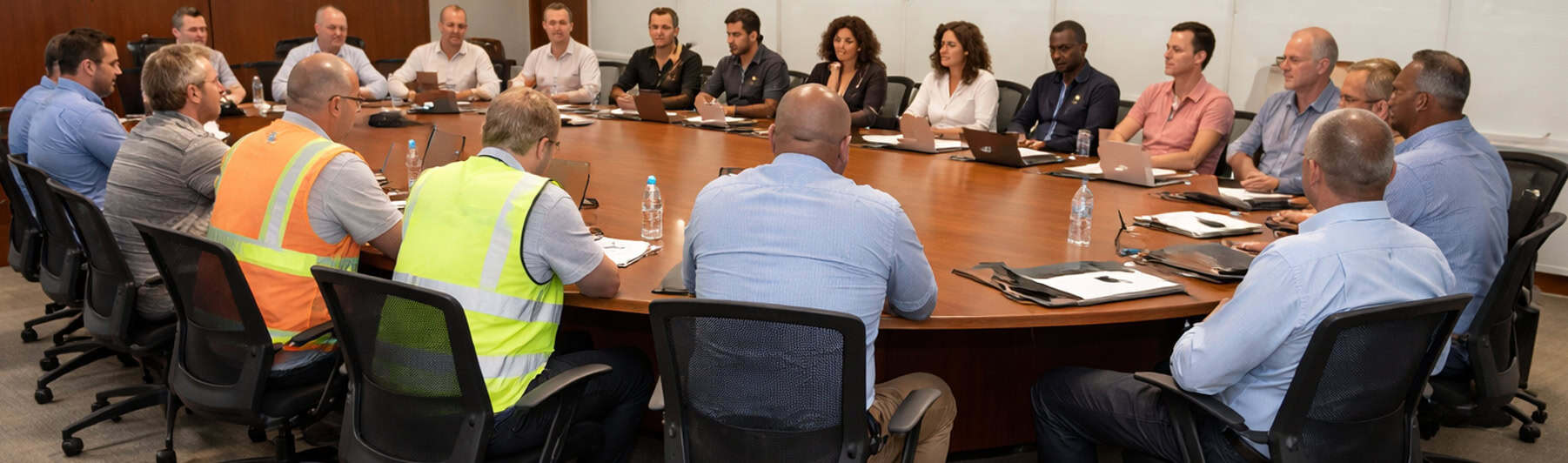
Tidal Training Ltd has delivered Post Critical Incident Stress training across healthcare, emergency services and government sectors, both in the UK and internationally.
This has included training delivered to:
- Dubai Emergency Medical Services Corporation (DEMAC)
- Office of the Prime Minister of Malta – Employee Support Programme
Working with emergency services and government departments operating in high-pressure environments reinforces one clear principle:
Prepared organisations respond better.
Open Course and Group Bookings
For individuals wishing to qualify as Post Critical Incident Stress Debriefers, places are available on our upcoming open course:
For organisations requiring in-house delivery or group bookings, full course details can be found here:
In-House Group Courses
In addition to our open courses, we offer customised in-house group training for organisations. This allows us to tailor the training to your specific needs, ensuring that your team is equipped to handle critical incidents relevant to your unique context. Whether you’re a part of the NHS, a corporate entity, or a charity, our in-house training solutions provide flexibility and specificity.
Upcoming Open Course in April 2026
We are pleased to announce that places are available for our next open course, which will be held on 14th, 15th & 16th April 2026. This is an excellent opportunity to ensure your team is trained and prepared to support groups following critical incidents. For more details and to secure your place, please visit our course page.
Booking and Enquiries
For more information and to book your place on our next CISD Facilitator training course, please visit our website or contact our team directly. Let us help you create a resilient workforce capable of managing and mitigating the impacts of critical incidents, supporting both employees and the individuals they assist.
Investing in CISD Facilitator training is a proactive step towards fostering a supportive and resilient workplace. Equip your team with the skills they need to handle critical incidents with confidence and care, ensuring comprehensive support for both employees and the wider community.