

Falls Prevention and Vision Care: The Role of Clearer Sight in Creating a Safer Environment

Falls are a major concern, and the risk only rises with age. For example, around one in three people aged 65+ (and about half of those over 80) fall at least once each year. Such falls often cause injuries or loss of independence, but most are preventable by tackling key risk factors. In particular, addressing vision problems, household hazards and poor footwear can dramatically cut fall rates.
Poor eyesight greatly increases fall risk. People with sight loss are much more likely to fall (and to fall repeatedly) than peers with normal vision. The RNIB notes that about 8% of falls requiring hospital admission occur in people with visual impairment, and roughly 3.8% of those falls are directly caused by the vision loss. Crucially, about 50% of sight loss is avoidable with treatment. Regular eye tests (at least every two years) catch treatable issues like cataracts or the need for updated glasses. In the UK, everyone aged 60+ is entitled to a free NHS sight test every two years. NHS falls prevention guidelines explicitly include vision checks.
Over half of all falls happen at home. Common hazards include cluttered walkways, loose rugs or cables, uneven or wet floors are frequent trip or slip risks. Poor lighting or glare only adds to the problem: dim rooms or heavy shadows can hide obstacles, and sudden glare (e.g. from low sun or reflective surfaces) can momentarily can impair visual. Unaddressed home fall hazards are costly: one UK estimate puts the annual NHS cost at about £435 million in England alone.
Simple changes greatly improve safety. Keep hallways and rooms free of loose objects or electrical cords, tack down rugs, and immediately dry up spills. Install grab bars on stairs, bathrooms and other high risk spots. Crucially, ensure good, even lighting everywhere: use bright LED or high wattage bulbs, add lights on stairs and in narrow corridors, and install night lights (or motion sensor lights) for darkness. Even modest upgrades (brighter bulbs, extra lamps or railings) help people see trip hazards in time and have been shown to reduce falls.
Shoes matter. The NHS advises always “wear shoes or slippers that fit well, do not slip off and have a good grip”. In contrast, walking around in just socks, flimsy sandals or loose slippers dramatically increases fall risk. Age UK warns that bare feet, socks or ill fitting slippers indoors are a common cause of trips, and recommends using sturdy, well fitting shoes or slip on slippers with grip . Proper footwear provides better balance and traction. (In fact, studies note a large share of falls happen when unsuitable shoes are worn.) Encouraging everyone (especially older relatives) to swap slippery slippers for firm shoes or non slip sock slippers is an easy way to stay steady on one’s feet.
Practical, Evidence-Based Ways to Reduce the Risk of Falls
Regular Vision Assessments: Have an eye test at least every two years (more often if advised). Early detection of cataracts, glaucoma or other eye conditions means sight can often be preserved or restored, which markedly improves balance. (For example, cataract surgery often leads to better mobility.) Healthcare providers should routinely ask when your last eye check was. In the UK, everyone over 60 gets a free NHS sight test, and falls services specifically check eye health during risk assessments. Don’t delay – correcting poor vision with up to date glasses or treatment helps people see hazards clearly and avoid falling.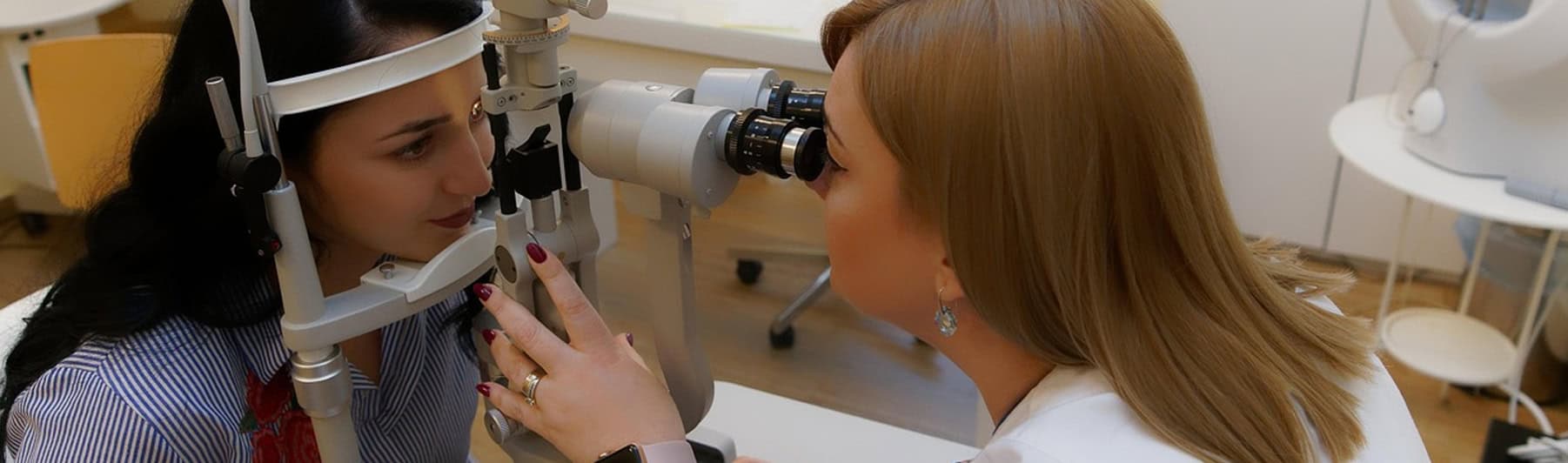
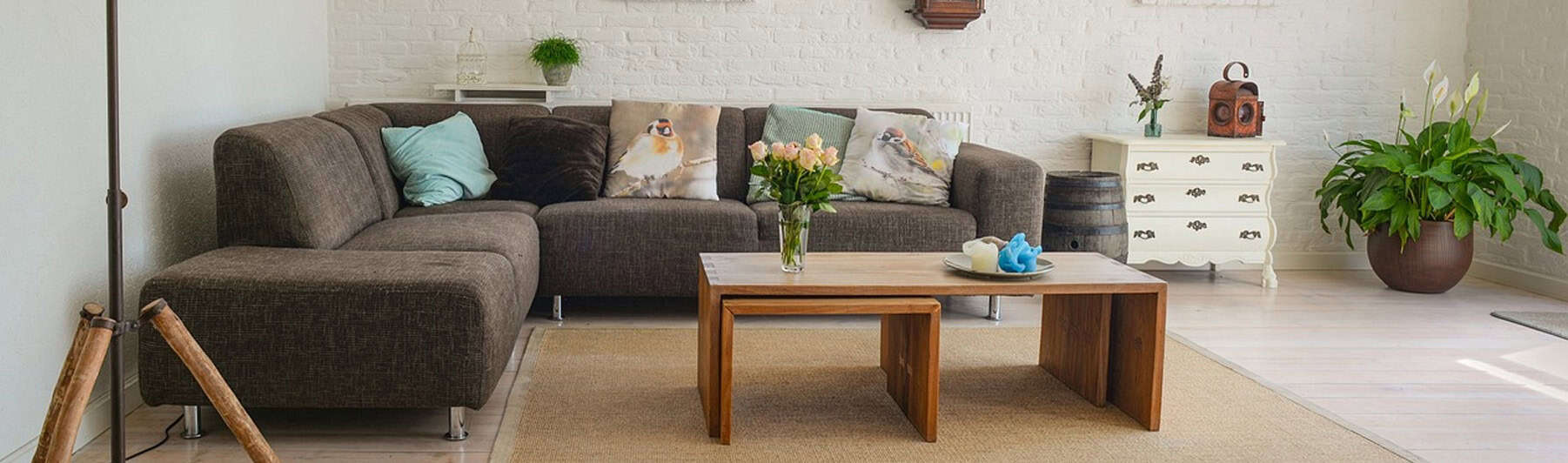
Home Safety Modifications: Make your home as fall proof as possible. Remember that about 50% of falls happen at home. Remove tripping hazards such as loose rugs, clutter or exposed wires. Install grab rails on steps and in bathrooms for extra support. Keep frequently used items (shoes, phone, remotes) within easy reach to avoid climbing or bending over. Such changes are usually low cost or can be arranged via local services (councils or occupational therapists).
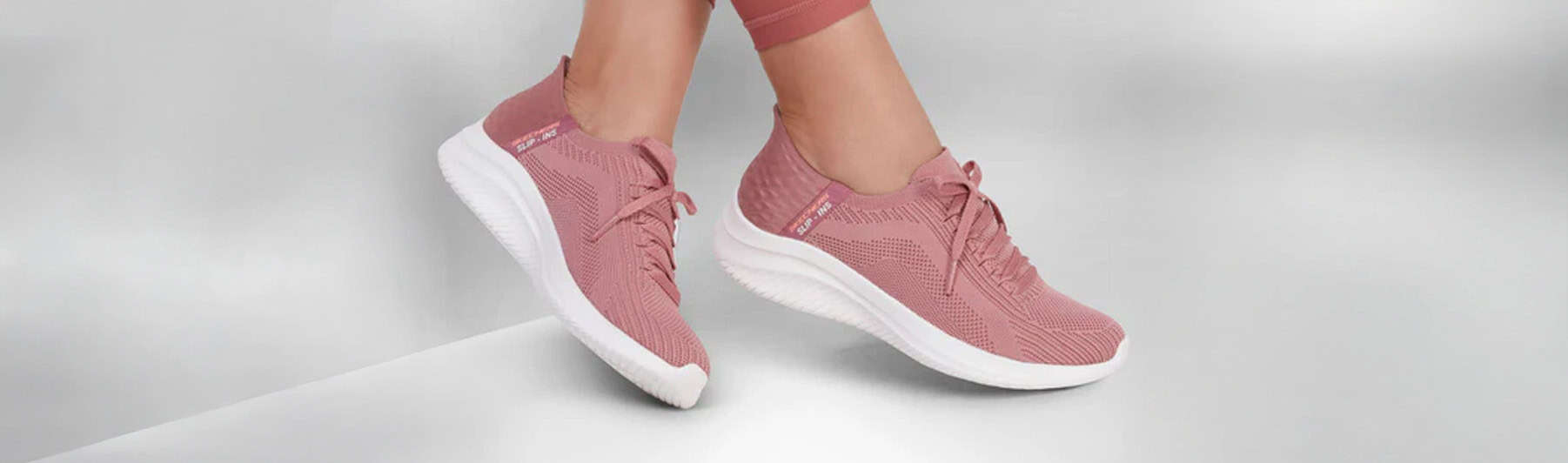
Supportive Footwear: Wear sturdy, well fitting shoes (or indoor shoes/slippers with firm soles) at all times. Good shoes should have a low heel and a nonslip sole. Change out of socks or loose slippers immediately when walking. Age UK explicitly advises against indoor sock walking because it causes trips. Even indoors, use shoes or grippy slipper socks. Healthcare workers should check patients’ footwear during falls risk assessments, and family caregivers can gently remind loved ones to put on proper shoes at home. Simply switching from bare socks to secure footwear can prevent many falls.
Improve Lighting: Ensure excellent lighting in every room. Falls often happen in dim or uneven light. Use high wattage or LED bulbs for bright, even illumination (especially on stairs and in hallways). Avoid strong glare or sharp shadows. Install blinds or curtains to soften outside light, and consider motion sensor night lights for bathroom or hallway. Good lighting is especially important for anyone with vision impairment as it helps them spot hazards and judge distances. Even simple steps such as adding an extra lamp or replacing bulbs with brighter ones, can make furniture edges and steps much more visible.

Falls don’t have to be seen as an unavoidable part of ageing, they are often the result of risks we can reduce or remove. Paying attention to eyesight, footwear, lighting, and the home environment is less about box ticking and more about preserving independence and dignity. Approaching fall prevention in this practical, proactive way reframes it from a clinical checklist into an investment in long term wellbeing.